How Distance to Health Facilities Affects Families in Remote Communities
For most people, getting healthcare follows a simple path: you fall sick, you visit a health facility, you receive care, and you return home.
For families in hard-to-reach communities in Uganda, that path is rarely so simple.
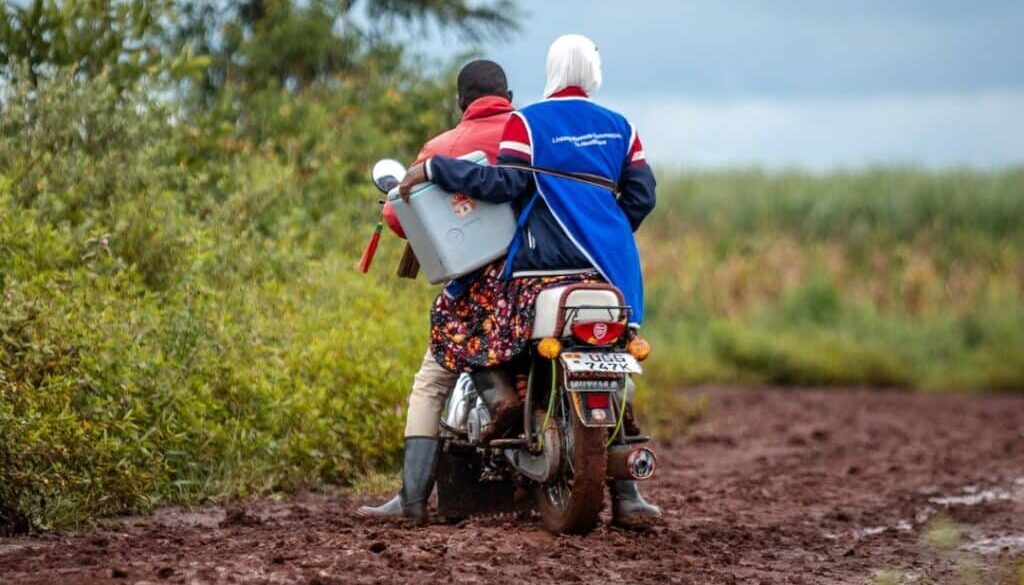
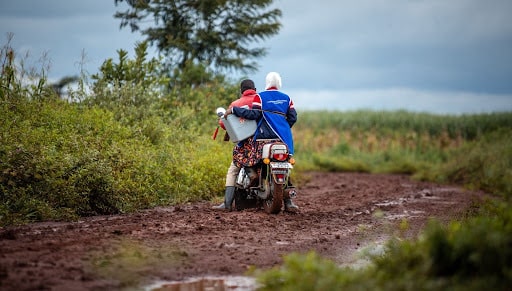
The nearest health facility may be 5 kilometres away or more. Transport is limited or unaffordable, and roads can be difficult to navigate, especially during the rainy season. A single visit can mean paying over $5 for a boda boda (motorcycle taxi) or, for those who cannot afford one, walking for hours. It also means time away from work, school or household responsibilities. For some families, the distance and cost are enough to delay care, or to stop them from seeking it at all.
What the numbers show
These are not isolated experiences. Uganda’s National Service Delivery Survey 2021 found that 77% of communities were within 5 kilometres of a government health facility. That is real progress, but it also means nearly one in four communities are further away than that.
Government health facilities are the most common first point of care, but not everyone uses them. When the survey asked people who did not use them why, 44% of respondents in rural areas said the facilities were too far.
The effects reach beyond individual households. When people cannot get care promptly, it shows up in the country’s wider health indicators too.
Distance comes with a cost
When a health facility is far away, the cost is not measured only in kilometres.
Families must pay for transport there and back. Annet Mutabaazi lives in Kyammenya Village, a remote community in Sembabule District. For her, a motorcycle ride to and from the health centre costs as much as UGX 30,000 ($7.5), and reaching Sembabule town can cost up to UGX 60,000 ($15.5). Many families simply cannot afford that.
Families may try to set money aside for healthcare, only to see those savings go to food, school fees or another emergency. That leaves a hard choice: spend the money travelling to a health facility, or use it for another urgent household need?
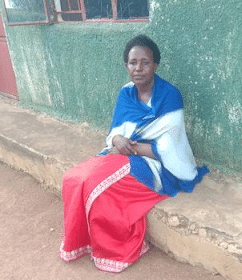
Ann Mutabaazi
For families living on limited incomes, this is not a theoretical question. They face it every time someone falls sick.
And the cost is not only the fare. A parent takes time off work to accompany a sick child. A caregiver spends an entire day travelling with a family member. Every journey can mean lost income, missed responsibilities and difficult decisions about which needs must come first.
When care is delayed
The most serious consequence of distance is delayed care.
When people know that reaching a health facility means hours of walking or expensive transport, many wait until an illness becomes serious before they go. That delay is especially dangerous for children, older people and people who need regular treatment.
For pregnant women, the stakes are even higher. Attending antenatal care or giving birth at a health facility means arranging transport in advance. When labour begins unexpectedly, a long distance and no available transport can quickly turn into an emergency.
What happens when healthcare comes closer?
If distance is the problem, one answer is to shorten it: not by asking families to travel further, but by bringing care to them.
That is the idea behind Health Access Connect’s Medicycles programme.
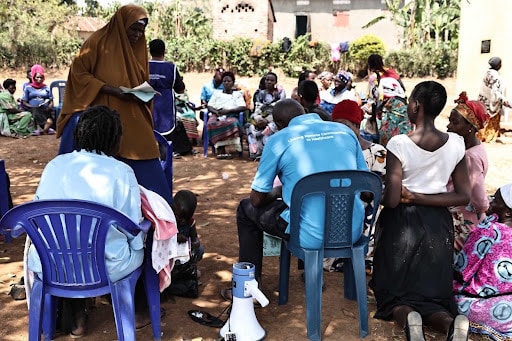
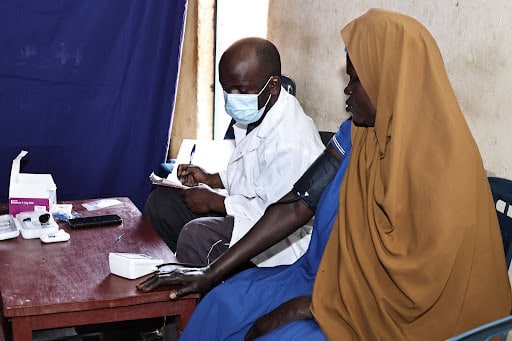
Health Access Connect (HAC) works with remote communities and government health facilities to make essential healthcare accessible to people who live far from a facility or cannot afford the cost of transport. Through the Medicycles approach, HAC creates a supportive environment for community outreach clinics to start and to keep running. That means coordinating with district health authorities and health facilities, organising communities, supplying outreach equipment, and removing the practical barriers that stop services from reaching people.
HAC’s support includes:
- District and health facility coordination: working with district health teams and government health facilities to plan and coordinate outreach services.
- Community organising: working with communities to identify their healthcare needs, mobilise residents and support regular outreach clinics.
- Outreach supplies: providing facility and outreach kits where needed, so health workers can deliver services closer to the community.
- Boda boda loans: providing transport support so health workers can reach communities that are difficult to access.
- Shelter grants: helping communities set up suitable spaces for outreach services.
- Monitoring and evaluation: tracking outreach activities, service delivery and community reach to understand what is working and where to improve.
- Expansion and continuity: extending the model to new underserved communities while making sure outreach services stay regular and sustainable.
Once an outreach clinic is established, government health workers deliver the services, including family planning, antenatal care, HIV services, immunisation, health education and other primary healthcare.
In this way, HAC closes the distance between remote communities and the existing public health system. Instead of families travelling several kilometres for care, health workers, medicines and essential services come to where people live.
The model is built on community participation and ownership. Communities organise and support the outreach clinics, while government health workers remain central to service delivery.
At Health Access Connect, we believe healthcare should not become harder to reach simply because of where someone lives.
What’s needed now
To reach more families facing these same barriers, Health Access Connect is focused on:
- Scaling to more remote communities in Uganda
- Strengthening sustainability through deeper community engagement and alignment with national health priorities
- Generating robust evidence through our randomised controlled trial
- Building long-term partnerships that strengthen systems rather than fund short-term projects
How to get involved
You can support this work by donating or by partnering with us as a foundation or NGO.
For the millions of people in Uganda who go without health services because of where they live, this work is not optional. It is essential. Together, we can close the distance.
#ClosingTheDistance