How we are using ASRH Dialogues to Break Stigma in Access to Adolescent Sexual and Reproductive Health Services.
For many adolescents, accessing sexual and reproductive health services continues to be limited by fear of being seen and fear of being judged.
Findings from a baseline survey conducted by Health Access Connect in Lwengo & Mpigi Districts indicate that stigma remains a major barrier to accessing Adolescent Sexual and Reproductive Health (ASRH) services.
The purpose of the baseline was to establish, among other issues, the current state of adolescents’ access to these services in the district.
Stigma as a barrier
Stigma around sexual and reproductive health remains one of the most significant barriers preventing adolescents from accessing the care and information they need about sexual and reproductive health
Stigma is caused by various factors, which include:
- Fear of being judged by health workers
- Concerns about the lack of privacy and confidentiality
- Negative community attitudes toward young people seeking SRH services
- Myths and misinformation surrounding adolescent sexuality
As a result, many adolescents delay or completely avoid seeking help even when services are available. This can lead to preventable health challenges, including untreated infections, unintended pregnancies, and a lack of accurate health information.
Health Access Connect’s response
At Health Access Connect, we believe that improving access to adolescent sexual and reproductive health services goes beyond the physical proximity of health service providers and health centres.
It also means ensuring that services are welcoming, respectful, and responsive to adolescents’ needs.
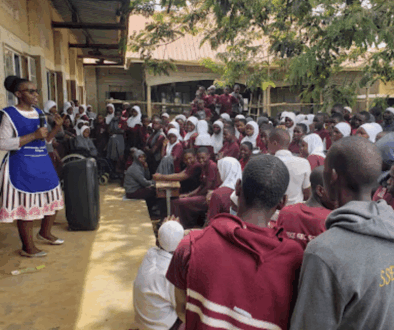
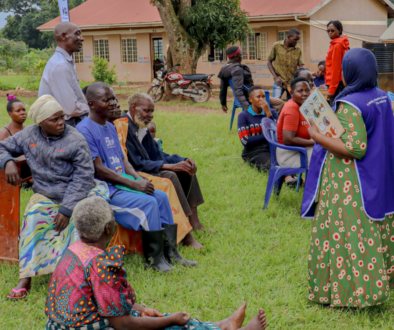
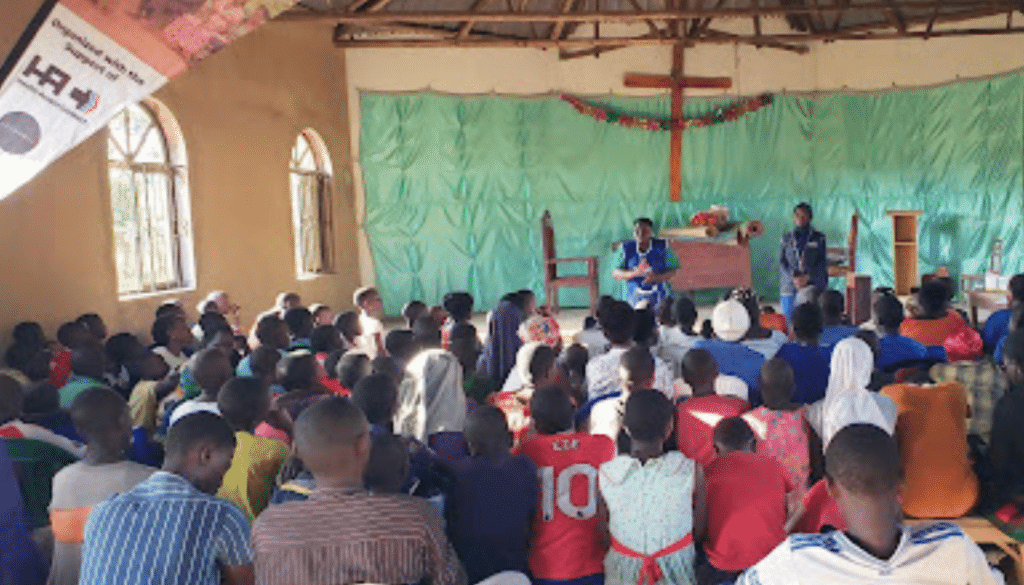
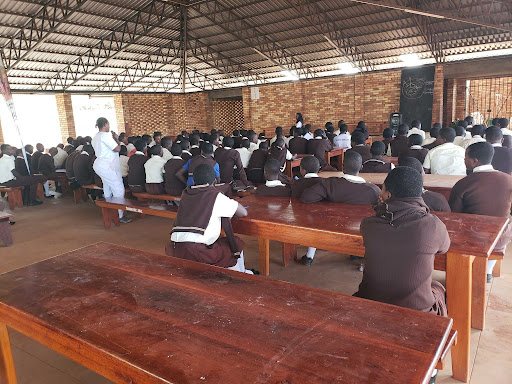
That is why we have been conducting Adolescent Sexual and Reproductive Health (ASRH) community dialogues in Lwengo District, alongside targeted training for health workers in the facilities that serve these adolescents.
These interventions are designed to address stigma at its roots by bringing together the very people affected by it.
One of the most powerful aspects of these dialogues is the opportunity they create for open and honest communication.
Adolescents are given a platform to ask questions freely, share their concerns and experiences and express what makes them feel unsafe or judged when seeking access to sexual and reproductive health.
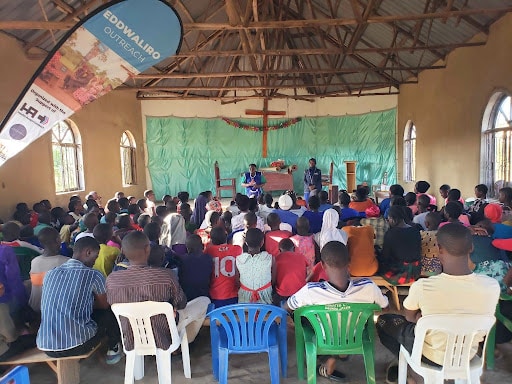
In some cases, this is the first time young people can speak openly about their sexual and reproductive health without fear of criticism.
By breaking the silence, these dialogues begin to dismantle the fear that stigma creates.
Engaging Health Workers as Partners
Stigma exists not only at the community level or in schools, but is also reflected in the attitudes and practices within health facilities.
The findings from our baseline survey also indicated limited youth-friendly services and inadequate health worker training in providing adolescent-friendly services. This, in turn, contributes to the stigma.
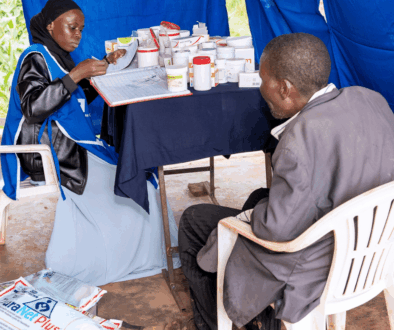
Through training sessions, we have trained health workers to:
- Better understand adolescent-specific health needs
- Provide non-judgmental, confidential, and respectful care
- Reflect on and challenge their own biases
- Build trust with young clients
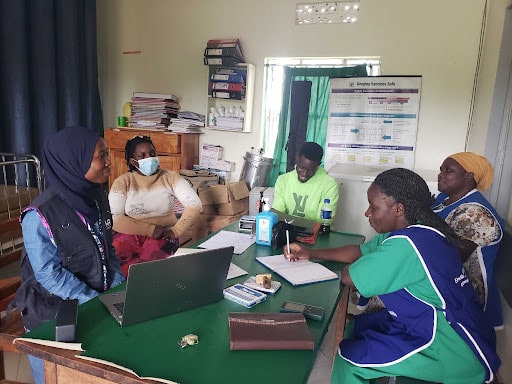
This is critical because the experience an adolescent has at a health facility can determine whether they return or discourage others from seeking care altogether.
Misconceptions and cultural beliefs also often fuel stigma. Through community dialogues with these adolescents, we provide a space to address these myths directly, using accurate information and guided discussions.
Addressing stigma in access to sexual and reproductive health is not a one-time effort; it requires continuous engagement, learning, and community involvement.
How to Get Involved
Health Access Connect is working to break stigma through school-based dialogues, community dialogues with adolescents and parents, health worker training, and stronger linkages between young people and the sexual and reproductive health services they need.
With your support, we can reach more communities, equip more health workers, and ensure that every adolescent can access sexual and reproductive health services with dignity and confidence.
You can support this mission by donating or partnering as a foundation or NGO.
You can also partner with us to help make adolescent-friendly healthcare a reality for all.