
94% of Adolescents Want More Sexual and Reproductive Health Information: Our New Survey Findings.
What do adolescents really need when it comes to their sexual and reproductive health, and are they getting it?
To find out, we conducted a baseline assessment for our Treat & Teach 2025–2026 Project in Lwengo and Mpigi districts. The assessment examined access to Family Planning (FP) services among women and men of reproductive age in Mpigi, and explored Adolescent Sexual and Reproductive Health (ASRH) services and needs among adolescents in Lwengo.
What we found tells an important story. There is encouraging progress, but significant gaps remain, particularly in access to information, services, and support that young people need to make informed decisions about their health.
And perhaps the clearest message from the data? 94% of adolescents said they want more information about sexual and reproductive health.
Key Findings
The baseline study engaged 659 respondents through Interviews, focus group discussions, and key informant interviews. Participants included adolescents, women and men of reproductive age, parents, teachers, health workers, community leaders, and district officials.
The results show that awareness of health services is generally high.
- 77% of adolescents were aware of Sexual and Reproductive Health services.
- 67% of adolescents knew a Sexual and Reproductive Health service provider
- 99% of respondents were aware of Family Planning.
- 97% knew where to obtain Family Planning services.
These figures suggest that information about health services is reaching communities. However, awareness does not automatically translate into service utilization.

The Awareness–Utilization Gap
One of the most important findings from the assessment is the significant gap between awareness and actual use of sexual and reproductive health services among adolescents.
- Only 23% had accessed Sexual and Reproductive Health services in the previous six months.
- More than one-third reported unmet Sexual and Reproductive Health needs.
This means that many people know where services exist but are still unable or unwilling to access them.

Why Are Fewer Adolescents Accessing SRH Services?
The study identified multiple barriers operating at individual, community, and health-system levels, and they included the following:
- Lack of information about available services.
- Fear of stigma and judgement.
- Concerns about privacy and confidentiality.
- Distance to health facilities.
- Cost-related challenges.
Many adolescents expressed fear of being seen seeking services or being labelled as “spoilt” by community members.
Adolescents Want More Information
The assessment uncovered a strong demand for information among young people.
An overwhelming 94% of adolescents expressed a desire to learn more about Sexual and Reproductive Health. Although awareness levels were relatively high, detailed knowledge remained limited.
Only about half of adolescents could identify at least three Sexual and Reproductive Health services, and many misconceptions persisted. Some adolescents, for example, believed that boys are less vulnerable to sexually transmitted infections.
These findings highlight the need to move beyond basic awareness campaigns and provide comprehensive, accurate, and age-appropriate health information.

Youth-Friendly Services Remain Inconsistent
The study found that many health facilities offer services such as HIV testing, counselling, Family Planning, and STI treatment.
However, adolescents reported mixed experiences when seeking care.
While some facilities provide privacy and confidentiality, many health workers have not received adequate training in adolescent-friendly service delivery. As a result, service quality often depends on individual providers rather than standardized approaches.
This inconsistency can discourage young people from seeking care, even when services are available.
The Important Role of Schools, Parents, and Communities
The findings also demonstrate that improving health outcomes requires action beyond health facilities.
Schools emerged as one of the most important sources of information for adolescents. Parents, teachers, community leaders, and religious leaders all play critical roles in shaping attitudes and behaviours related to health.
Yet many parents reported discomfort discussing Sexual and Reproductive Health issues with adolescents. Schools often provide guidance and counselling but lack structured programming, while community leaders frequently face resource and coordination challenges.
Strengthening these support systems will be critical to improving access and utilization.
Where Treat & Teach Comes In
The Treat & Teach Project was designed to address these challenges precisely.
Working alongside the Ministry of Health and District Local Governments, the project will strengthen access to Family Planning and Adolescent Sexual and Reproductive Health services through:
- Training and mentorship for health workers.
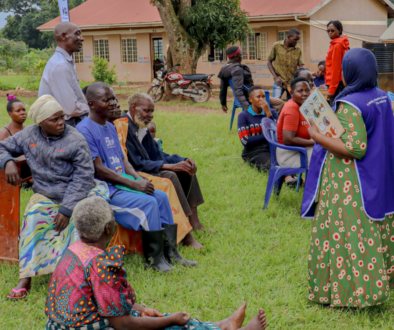
- Family Planning outreach services.
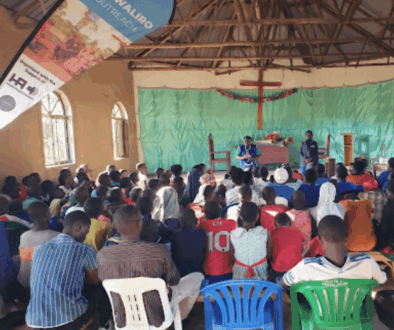
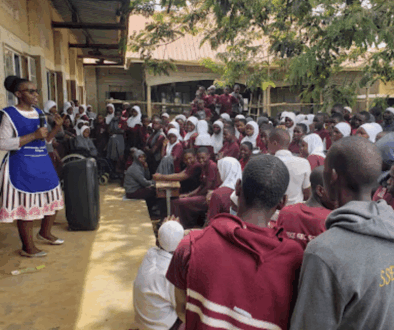
- Community and school-based health education.
- Capacity building for teachers, Village Health Teams, and youth champions.
- Increased adolescent engagement and participation.
- Strengthened referral systems and coordination mechanisms.
The baseline findings provide a clear roadmap for action and identify where investments can have the greatest impact.

How you can get involved
With your support, we can reach more communities, equip more health workers, and ensure that every adolescent can access sexual and reproductive health services with confidence.
You can support this mission by donating or partnering as a foundation or NGO.
You can also partner with us to help make adolescent-friendly healthcare a reality for all.
Read the full report here to explore the findings and recommendations that will guide implementation in Lwengo and Mpigi districts.