
Are We Doing Enough for Adolescent Health in Uganda?
Uganda has one of the youngest populations in the world. Adolescents make up a significant portion of the population, full of potential yet facing unique health challenges.
The Reality for Adolescents in Uganda
According to the Youth and Adolescents Thematic Report based on the Uganda Demographic and Health Survey (UDHS) 2022, key health Issues among adolescents and youth in Uganda include sexual and reproductive health (early pregnancy, limited access to SRH services and HIV).
The Uganda Demographic and Health Survey (UDHS) 2022 also found that 12% of female adolescents aged 15–19 and 14% of male adolescents in the same age group reported experiencing their first sexual encounter at exactly 15 years old.
The survey further revealed that 24% of women aged 15-19 years had started childbearing (pregnant or with a first child), with 18.4% having had a live birth and 5.1% pregnant with their first child.
These findings highlight the need for targeted sexual and reproductive health education and services for adolescents, with a strong focus on early intervention to reduce the risks associated with early sexual activity, including unintended pregnancies and sexually transmitted infections (STIs).
Conversations around SRH are often stigmatized, leaving many young people without safe spaces to ask questions or seek guidance. At the same time, mental and emotional health challenges are frequently overlooked. For many adolescents, the biggest barrier is not just access to services, but access to safe, honest conversations.
Lessons from Lwengo & Mpigi District
To better understand the realities adolescents face, Health Access Connect recently conducted a baseline survey in Lwengo and Mpigi districts, engaging over 650 respondents, including adolescents, parents, teachers, and health workers.
Preliminary findings reveal that only 51% of adolescents know at least three SRH services, indicating significant gaps in the depth and accuracy of information.
Encouragingly but also telling, 94% of adolescents expressed a desire for more information, highlighting an unmet need for comprehensive and accessible education.
The study identified several key challenges:
- Distance and cost barriers, with some adolescents travelling long distances or facing informal fees.
- Persistent stigma and fear of judgment, with some adolescents worried about being labelled as “spoilt”
- Limited youth-friendly services and concerns about confidentiality
Adolescents need spaces where they can ask questions without fear or judgment, share experiences, learn from trained facilitators, and build the confidence to make informed decisions. When these conversations are absent, myths, misinformation, and peer pressure often take their place.
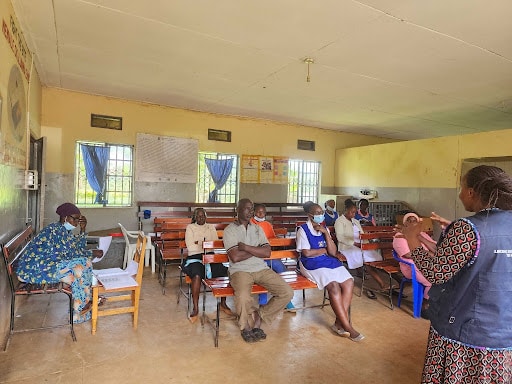
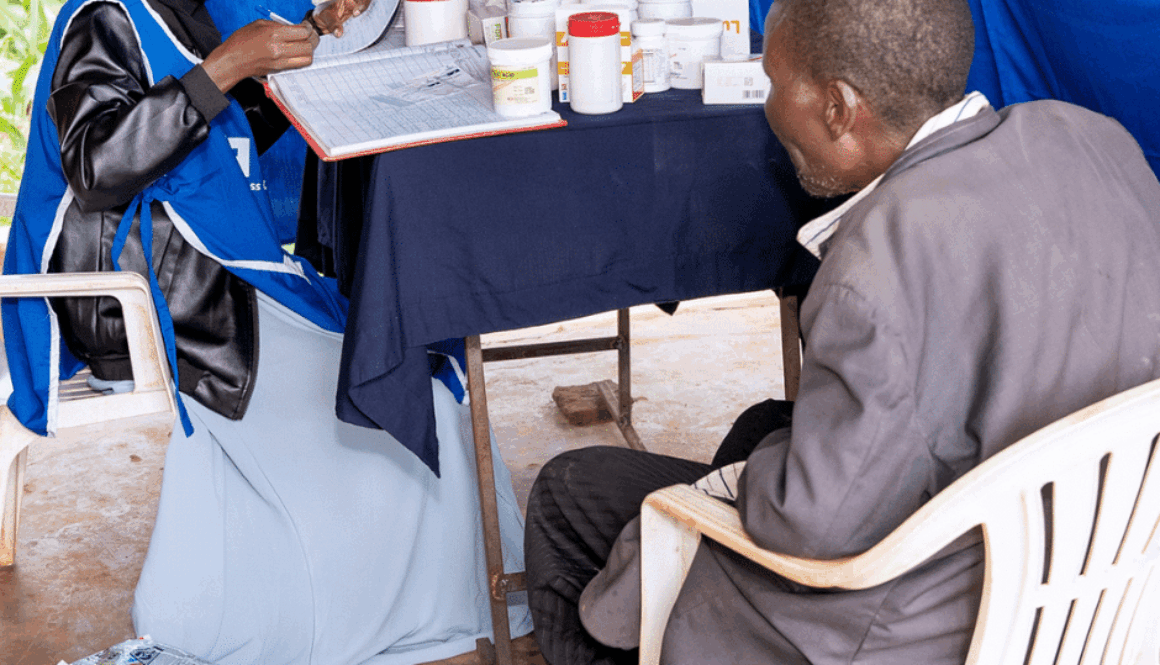
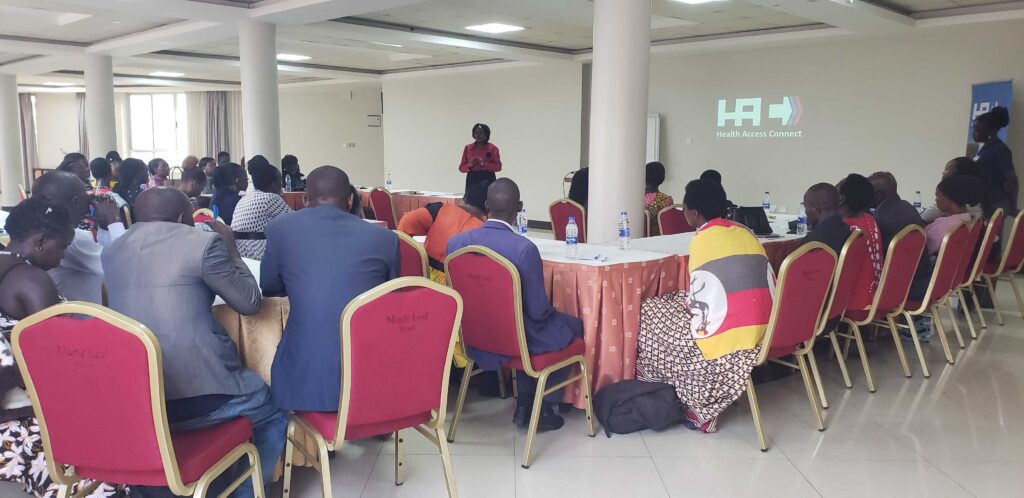
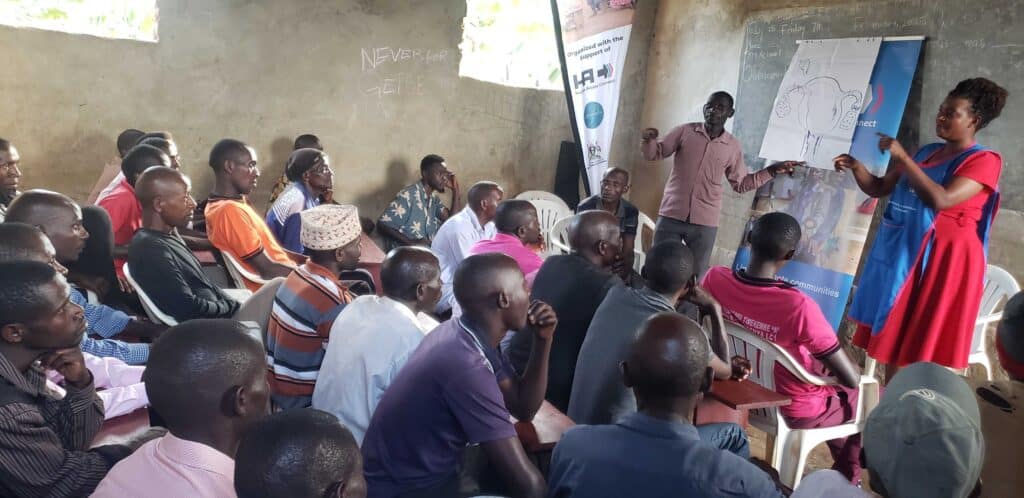
A Health Access Connect Field Coordinator (in a navy blue jacket) conducts on-site ASRH training at Kinoni Health Centre III on 4 March 2026.
Health Access Connect’s Response
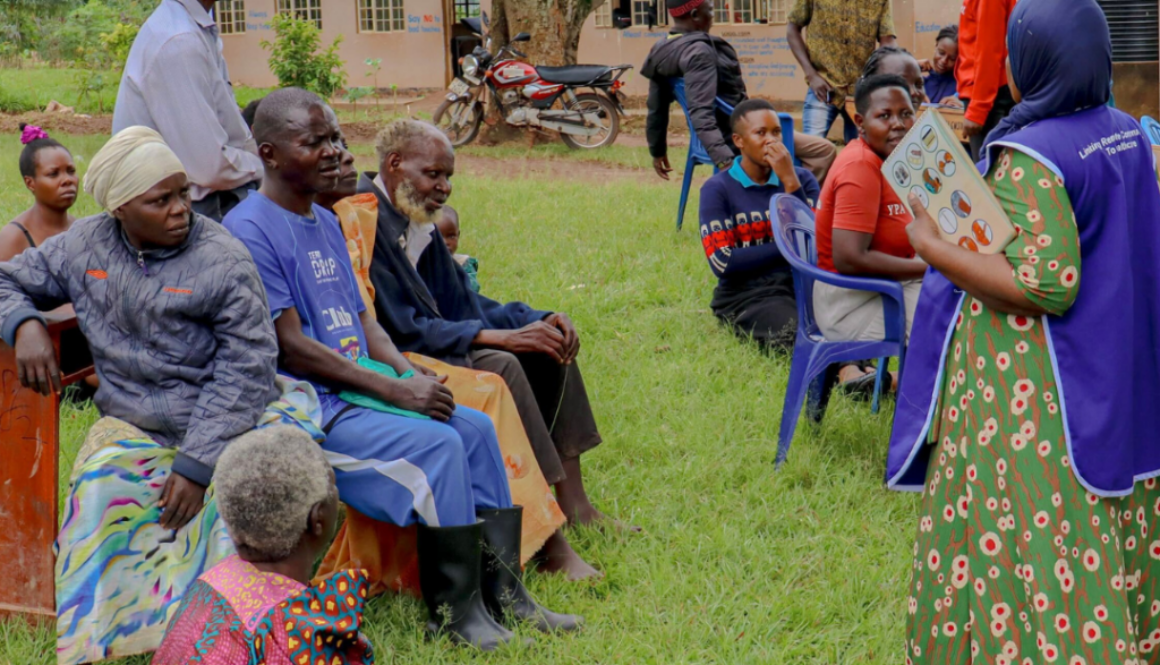
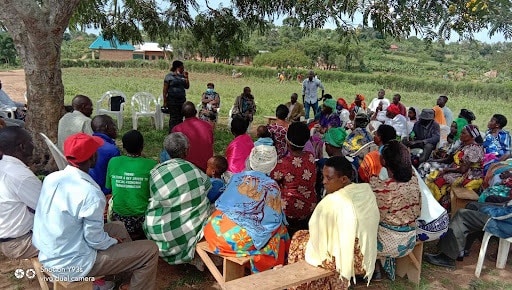
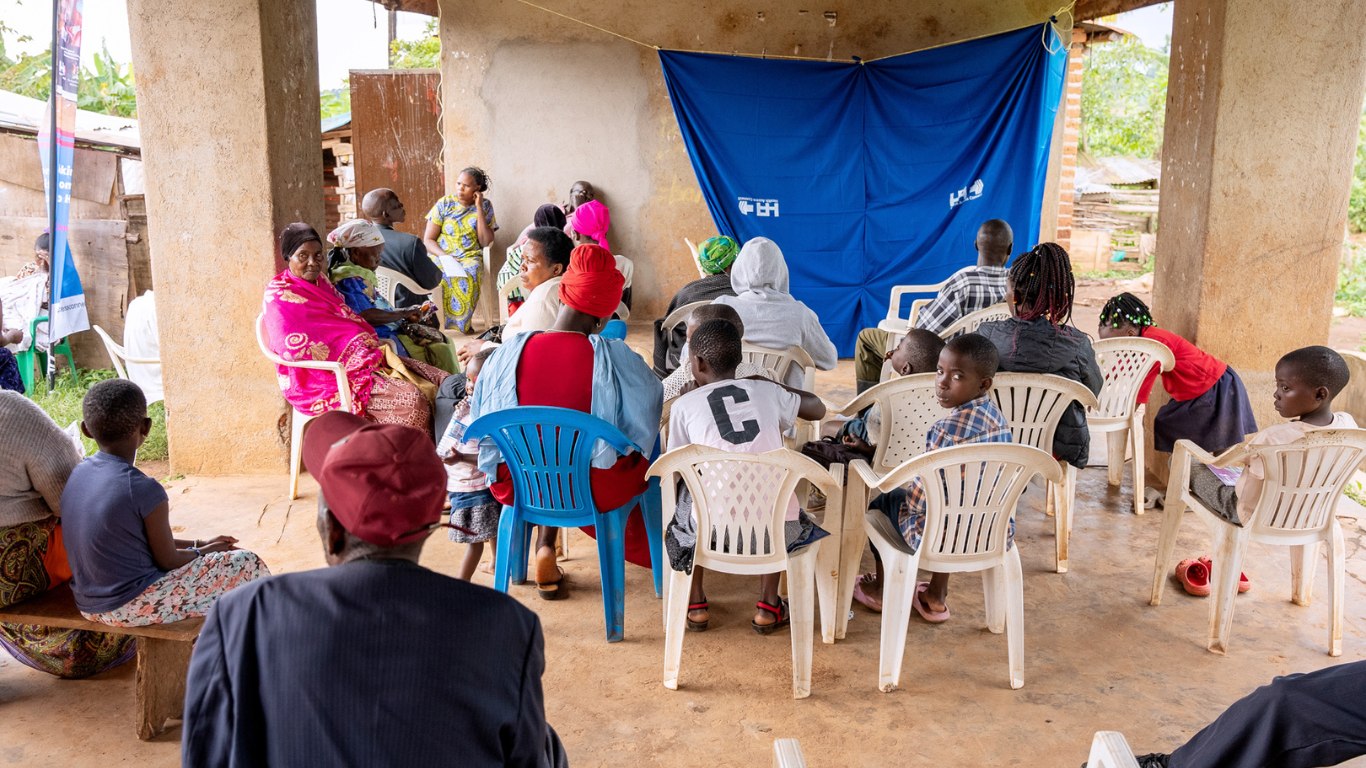
Recognizing this gap, we recently launched Adolescent Sexual and Reproductive Health (SRH) conversations in schools, communities, and health centres across Lwengo District.
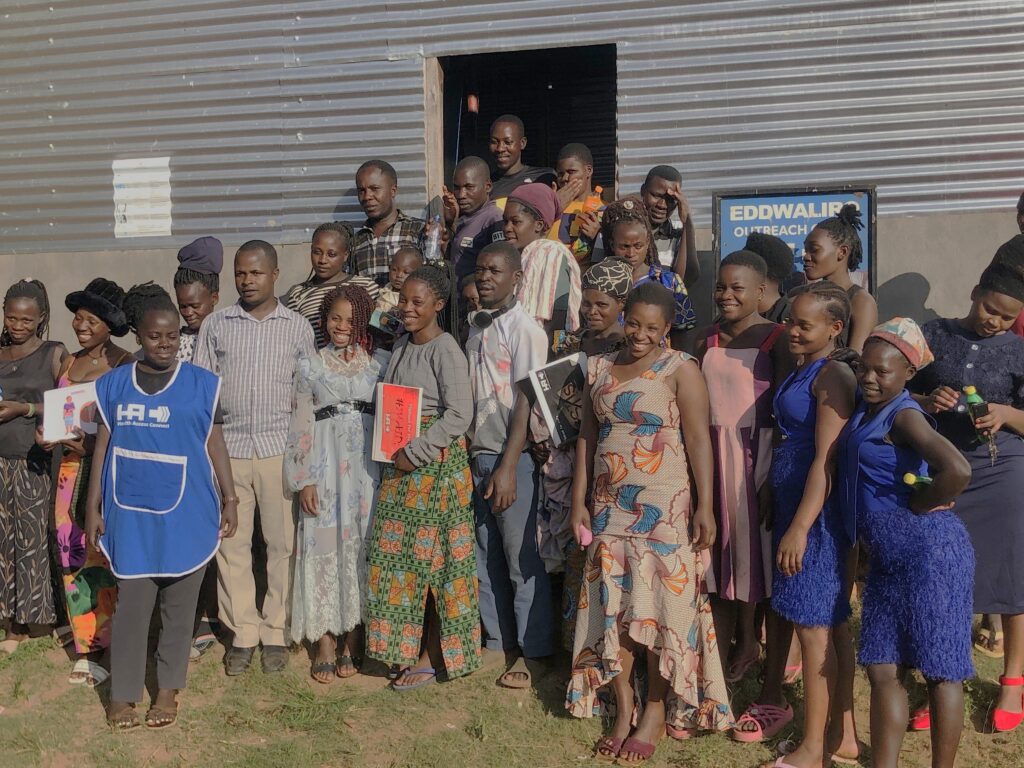
A total of 16 dialogue sessions, including 9 community engagements and 7 school-based dialogues, have provided adolescents with safe spaces to learn, ask questions, and engage openly on critical SRH health issues so far.
These sessions have reached learners in seven secondary schools, including Nakatete SS, Ndagwe SS, Kaikolongo SS, St. Paul Kyanukuzi SS, Nakyenyi SS, Sseke SS, and Busibo SS.
Through these engagements, we reached adolescents with discussions on key issues affecting their well-being, including body changes, menstrual hygiene, prevention of teenage pregnancy, and awareness of sexually transmitted infections (STIs), among others.
These sessions are designed to provide accurate, age-appropriate information, address myths and misconceptions, encourage open dialogue, and promote informed and responsible decision-making.
We also recognize that strengthening adolescent health goes beyond community engagement. It requires equipping health workers at the facilities young people rely on with the skills and knowledge to respond effectively to their needs.
To this end, we launched on-site Adolescent Sexual and Reproductive Health (ASRH) training for health workers at selected facilities, including Kinoni HC III, Naanywa HC III, Kakoma HC III, Kiwangala HC IV, Lwengo HC IV, Lwangenyi HC lll, Katovu HC III in Lwengo District. These sessions focused on building the capacity of health workers to deliver adolescent-friendly, responsive, and accessible health care services.
By bringing these conversations closer to the community and strengthening the capacity of health systems, we are fostering a supportive environment where young people can access accurate information and make informed decisions about their health.
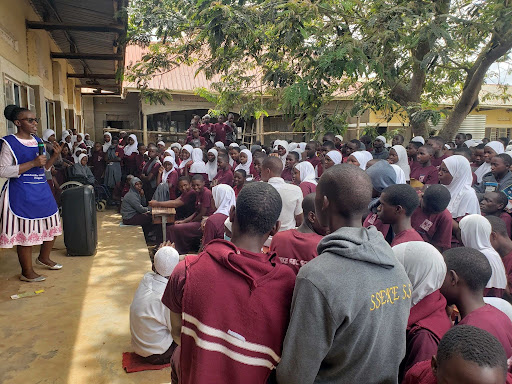
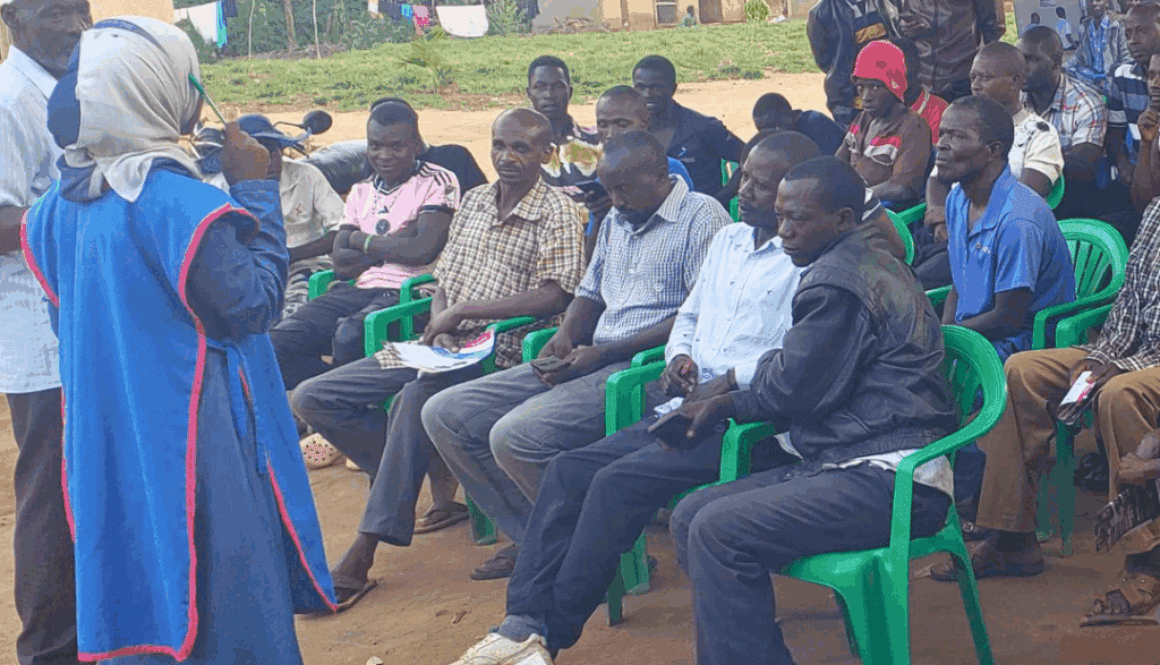
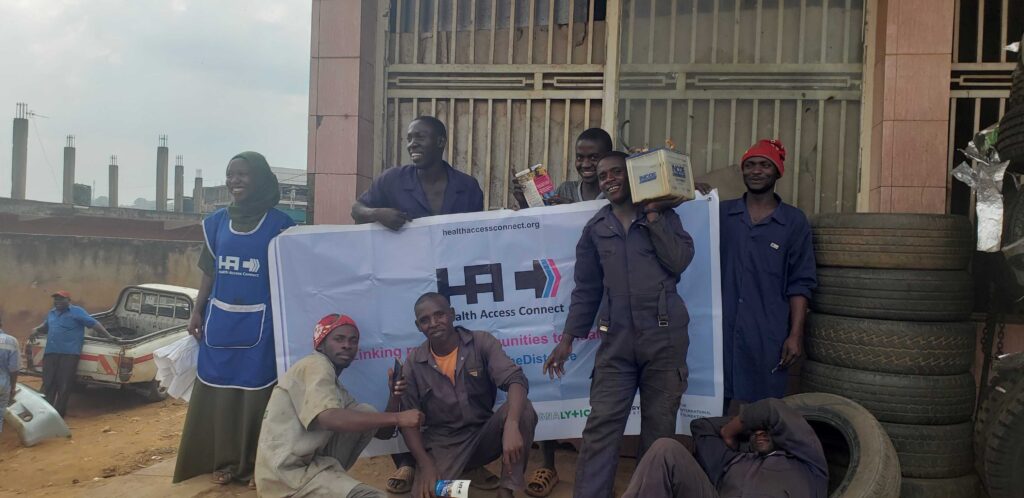
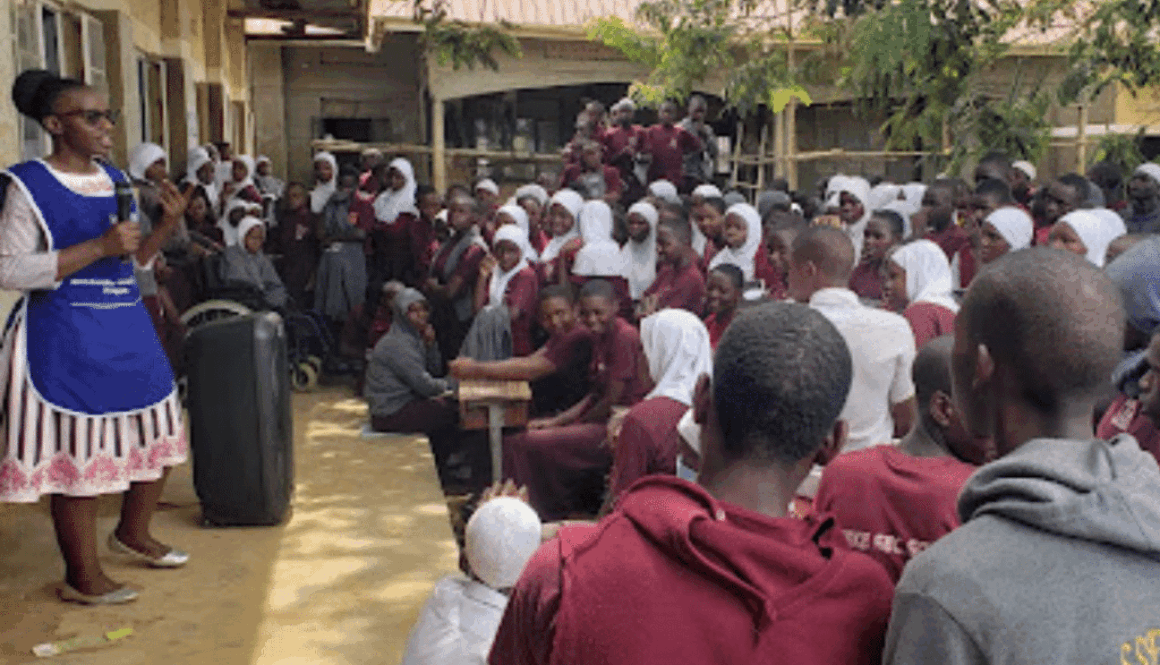
A health worker from Kinoni Health Centre III conducts a school dialogue at Sseke Secondary School in Kinoni Town Council, Lwengo District on 11th March, 2026
What We Are Learning
Early interactions from these conversations have already revealed important insights. Many adolescents have questions but lack trusted sources of information. Silence from adults often pushes them toward unreliable channels, while stigma continues to limit open discussion.
Other findings from our baseline survey further revealed that many adolescents rely on peers for information, increasing the risk of misinformation. Misconceptions also persist, for example, some adolescents believe that boys are less vulnerable to sexually transmitted infections
However, when given the opportunity, young people are eager to engage, learn, and participate. These experiences highlight a critical truth: young people are not disengaged; they are underserved.
While there have been commendable efforts by the government, schools, and partners to improve adolescent health, significant gaps remain. Questions persist around whether services are truly youth-friendly, whether conversations are happening early enough, and whether communities are fully involved or still hesitant to engage. The answer is clear: we are making progress, but there is still more to be done.
The Way Forward
Moving forward, supporting adolescent health in Uganda will require a more intentional and inclusive approach. This includes normalizing conversations around SRH, investing in community-based and school-based programs, equipping parents, teachers, and health workers with the right tools, and ensuring consistent access to accurate information and services.
Most importantly, it means actively listening to young people and involving them in shaping the solutions that affect their lives.
Addressing adolescent health requires collective action. Government, communities, schools, and partners all have a role to play. At Health Access Connect, we remain committed to bridging these gaps, but lasting change will depend on sustained investment and open dialogue at every level.
How to Get Involved
You can support this mission by donating or partnering as a foundation or NGO.
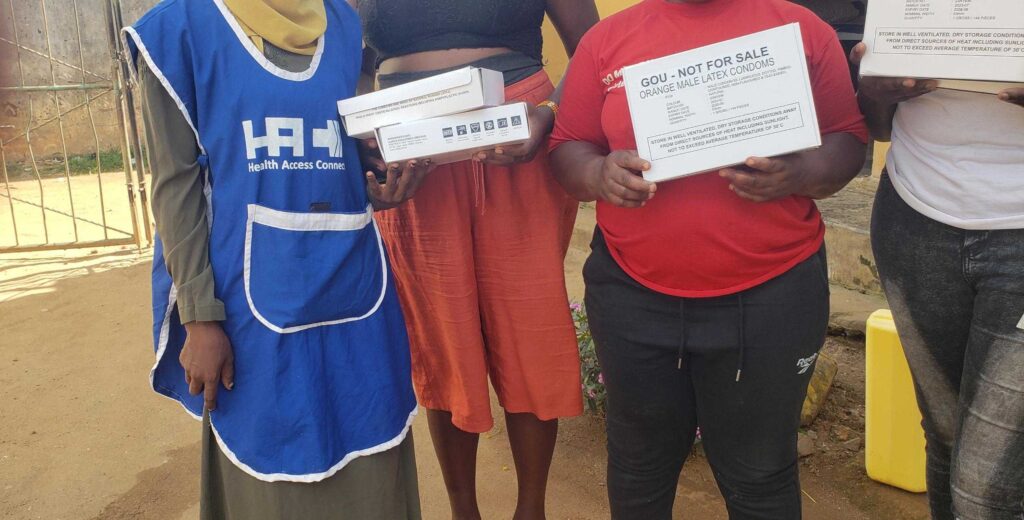
For millions left without access to family planning because of where they live, our work is not optional; it is essential. We are helping #ClosingtheDistance.