Why Community-Driven Healthcare Models Matter Today?
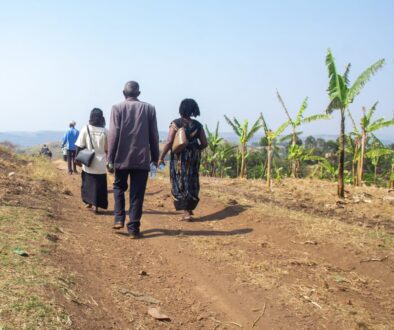
Healthcare systems everywhere are under increasing strain, from staff shortages and supply problems to the lasting effects of the pandemic and growing inequalities in access. These challenges hit remote and marginalised communities the hardest, because people who live far from clinics, lack reliable transport, or cannot afford to miss a day’s work to get care. In Uganda, many live more than 5 km from the nearest health facility, making healthcare not just far away, but often out of reach.
The Challenge of Fragmented Aid and Funding Cuts
One of the biggest limitations of traditional aid is its focus on a single cause; a partner may support HIV services, another immunisation, another family planning. But a mother who walks 10 km for care does not need just one service; she needs all of them. On top of this, unpredictable funding cuts have disrupted these programs, leaving communities without essential services. HAC’s embedded approach overcomes these challenges by integrating multiple primary healthcare services into one coordinated outreach, reducing duplication, maximising resources, and ensuring that no one is left with gaps in care.
Why Embedded Approaches Work
Embedded models, where services are aligned with and rooted in local community structures, overcome longstanding barriers to access. When local groups mobilise, transportation is organised within the community, and outreach is monthly and predictable; access improves dramatically. This approach fosters ownership and long-term sustainability. HAC’s Medicycles model brings health workers to villages every month instead of expecting patients to travel long distances.
HAC’s Unique Model
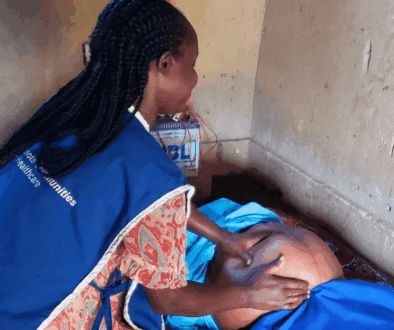
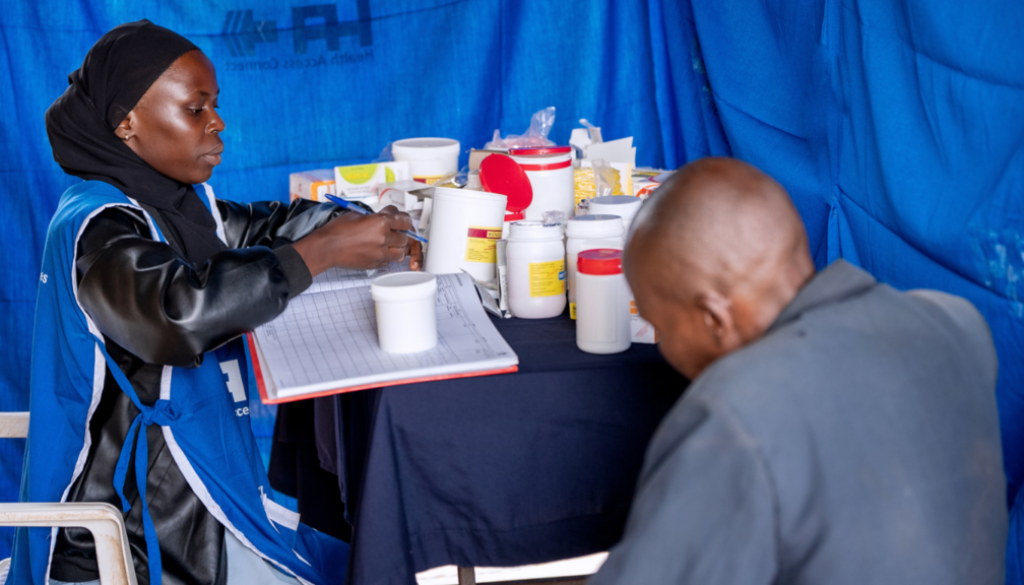
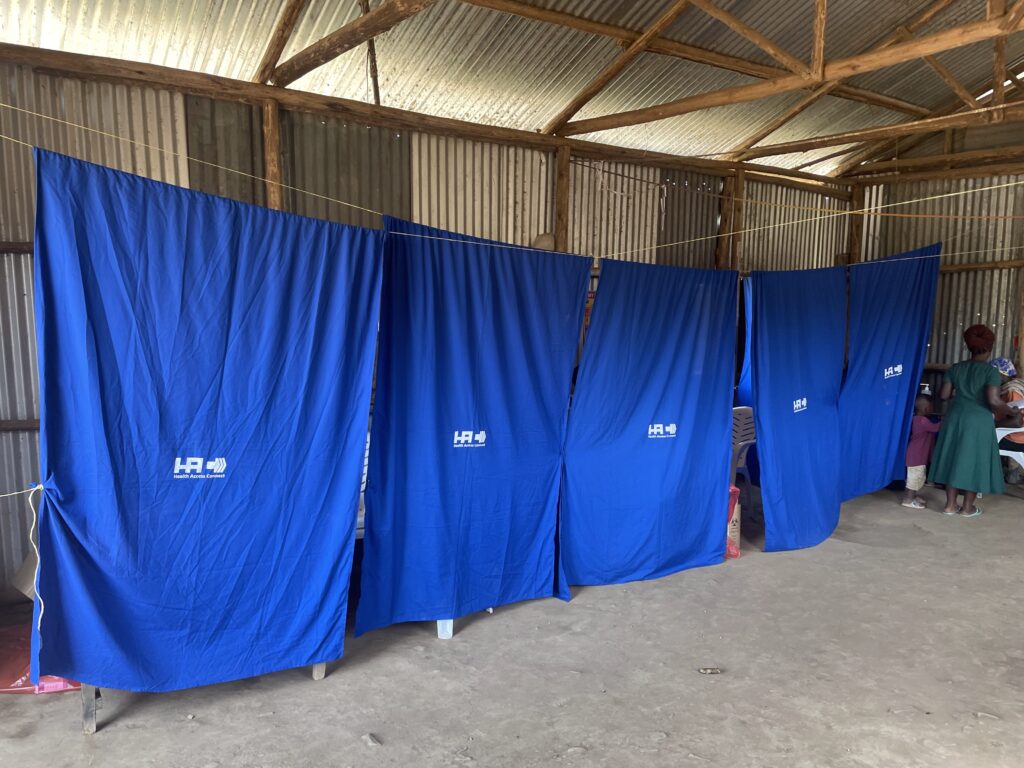
HAC links remote communities to healthcare through one-day monthly outreach clinics led by government health workers and supported by community mobilisation. Key features include:
- Motorcycle taxis and boats that transport health workers and medicines directly to communities.
- Local Community Associations (LCAs) that contribute small savings (e.g., 2,000 UGX) towards outreach transport, building ownership and shared responsibility.
- Integrated services including family planning, ART, immunisation, antenatal care, and health education.
- Strong partnerships with government facilities and communities, grounded in HAC’s value of “sustainability from day one.”
Resilience Through Challenges
In an era of fragile funding, climate risks, and supply-chain shocks, HAC’s embedded model has proven remarkably resilient. In one village where heavy rains made roads impassable, the community temporarily increased its contribution so the outreach could continue. Resilience is not only built into systems, but it also thrives in communities empowered to adapt. With more than a decade of experience, HAC is well-positioned to navigate future challenges.
What’s Needed Now
To meet rising needs, HAC is focused on:
- Scaling to more remote communities in Uganda
- Strengthening sustainability through deeper community engagement and national alignment.
- Generating robust evidence through its Randomised Control Trial.
- Building long-term partnerships that support systems, not short-term projects.
How to Get Involved
You can support this mission by donating, partnering as a foundation or NGO, advocating for community-led models, or joining as a volunteer or content creator. Visit HAC’s website for details.
For millions left without care because of where they live, HAC’s work is not optional; it is essential. By linking remote communities to care and building systems rooted in local ownership, HAC is helping #ClosingtheDistance.