The Link Between Family Planning and Economic Stability for Families
When we talk about development, we often focus on infrastructure, education, or job creation. Yet, one of the most transformative tools for economic stability in Uganda is often overlooked: family planning.
Access to family planning is economically and socially essential. Families who can plan and space their pregnancies are better able to allocate resources, invest in their children’s education, and support household income-generating activities.
By contrast, unplanned pregnancies can strain already limited finances, limit educational opportunities, and prolong cycles of poverty.
When Access Is Out of Reach: Juliet’s Story
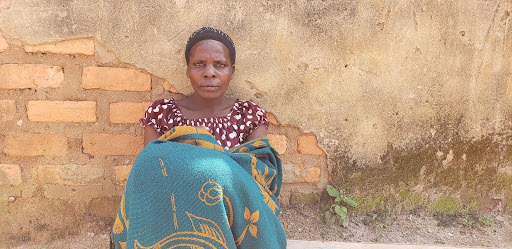
During a family planning outreach in Kyesiiga Sub-county, Masaka District, Juliet, a mother of seven, shared that her large family was not a deliberate choice, but rather the result of family planning services being consistently out of reach.
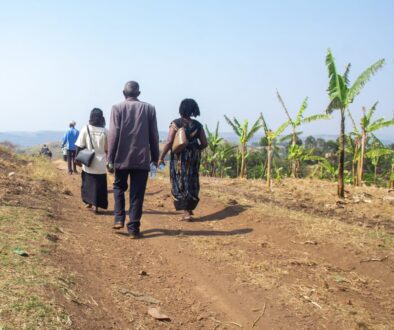
At one point, she wanted to use family planning services, but the nearest facility was several kilometres away. Transport alone cost 10,000 shillings for a return trip, money she often did not have.
Even when she managed to reach a health facility, the cost of the injectable, an extra 3,000 shillings, was sometimes beyond her reach. On other occasions, she arrived at health centres only to learn that the supplies were out of stock or had been transferred to Masaka town.
Each missed opportunity had consequences, another unplanned baby, and that is how she got to seven.
The Hidden Cost of Limited Reproductive Choice
Juliet’s story reflects the daily struggles of many women in remote communities where distance, cost, and unreliable services make reproductive choice a luxury rather than a right.
Without the ability to control the timing of pregnancies, mothers are forced to stretch already scarce resources across food, school fees, and healthcare, often at the expense of long-term economic security.
This is not just a personal challenge; it has long-term implications for community development and national progress.
Empowering women through family planning strengthens households and communities. Women who can make informed reproductive choices are more likely to participate in economic activities, start businesses, or contribute to community initiatives.
Their choices create a multiplier effect: healthier children, financially secure families, and stronger local economies.
Health Access Connect’s Role in Closing the Gap
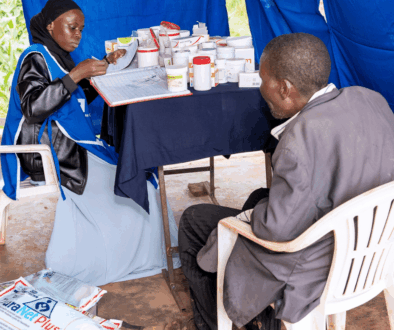
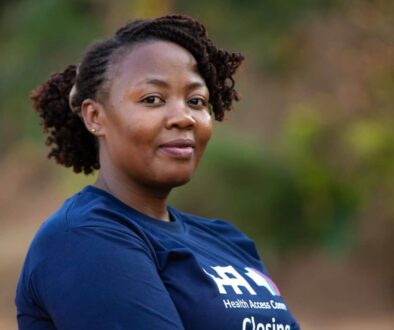
At Health Access Connect, through our community outreach programs, we bring family planning services and education closer to remote and underserved communities, which enables mothers like Juliet to have access to family planning services without the difficulty of travelling long distances.
By partnering with local leaders and Government health facilities, we ensure that families have the knowledge, resources, and support to make informed reproductive choices, such as the number of children they want to have and how they want them spaced.
Some individuals in these communities continue to believe in myths about family planning, which keeps families from services that could protect their livelihoods and future.
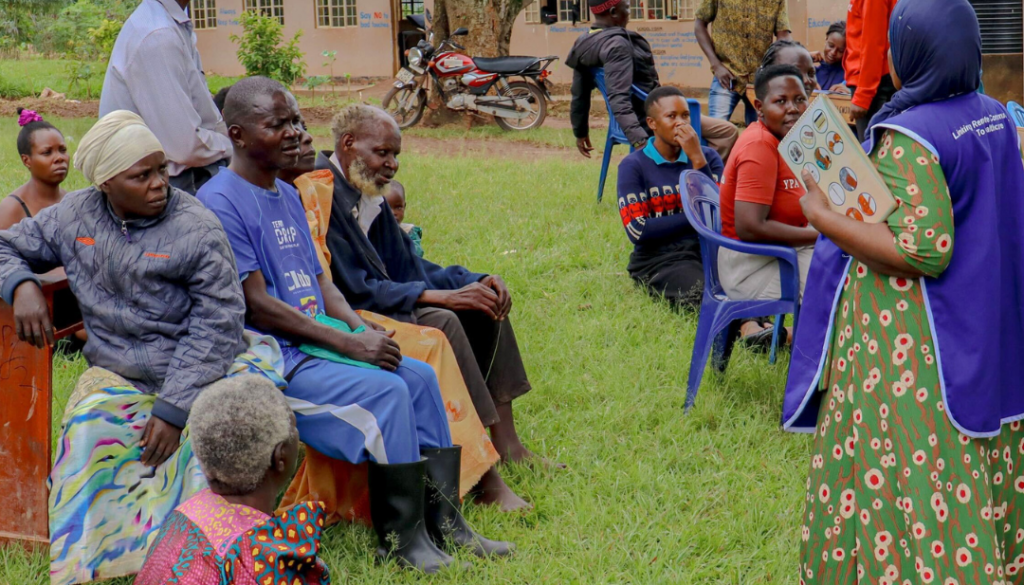
As Health Access Connect, we work directly with remote communities through community mobilisation to debunk these myths through education, dialogue with local leaders, and outreach programs.
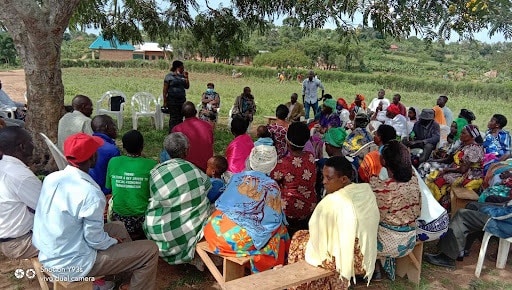
By providing accurate information and demonstrating safe, effective family planning methods, we help families make informed choices that support both their health and economic stability.
Despite these clear benefits, many Ugandans still face barriers to family planning, from limited access to services in rural areas to cultural myths and misinformation. Addressing these challenges requires community outreach, education, and policy support.
By expanding access to family planning services, we can help families flourish and accelerate national development.
What’s Needed Now
To meet rising needs, Health Access Connect is focused on:
- Scaling to more remote communities in Uganda
- Strengthening sustainability through deeper community engagement and national alignment.
- Generating robust evidence through our Randomised Control Trial.
- Building long-term partnerships that support systems, not short-term projects.
How to Get Involved
You can support this mission by donating or partnering as a foundation or NGO.
For millions left without access to family planning because of where they live, our work is not optional; it is essential. We are helping #ClosingtheDistance.